
Prefab Steel Assembly Safety Briefing Topics
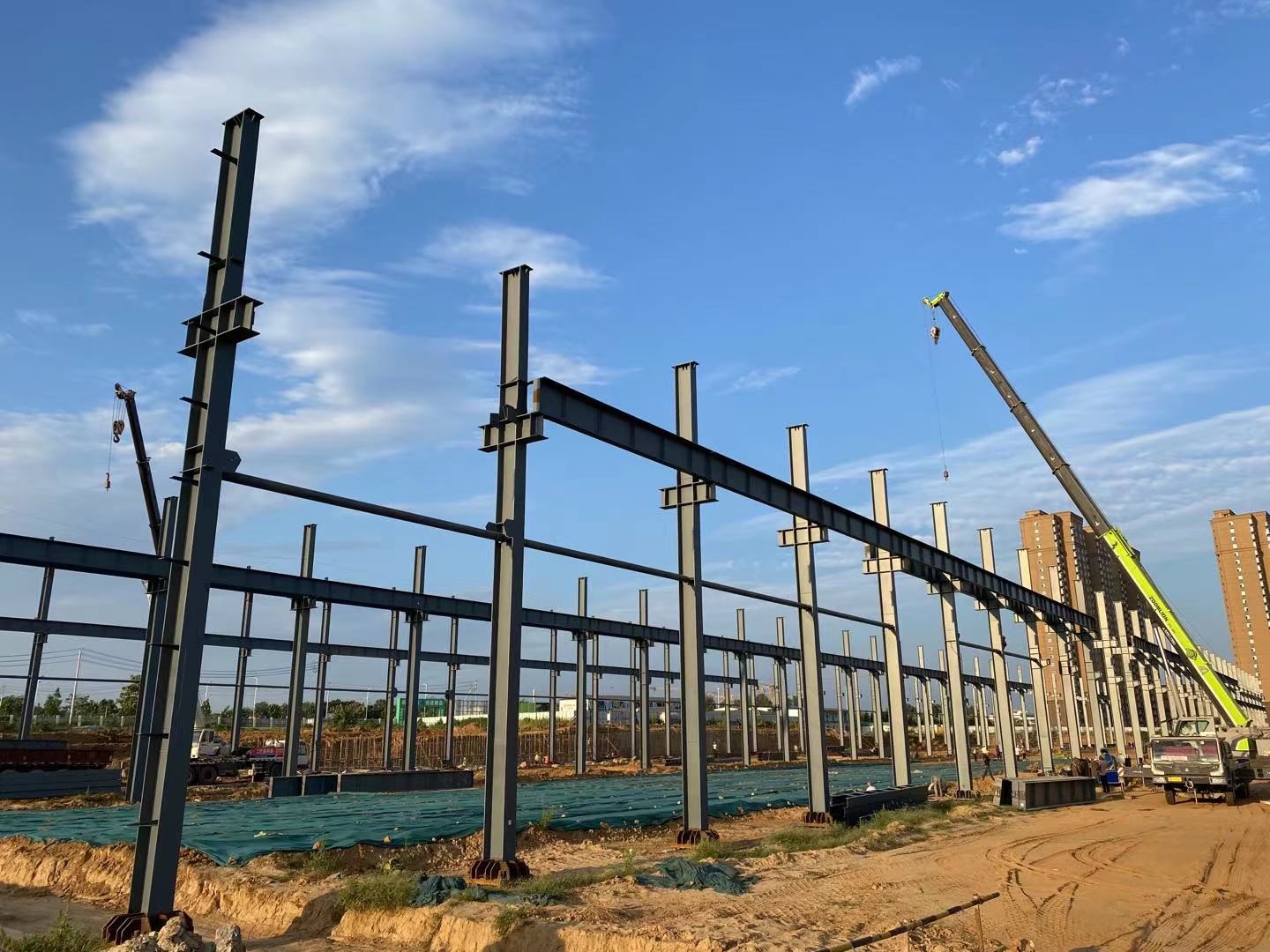
Prefabricated steel systems can make construction more predictable, but they do not remove the risks that appear once steel arrives on site. Factory preparation may improve member accuracy, connection consistency, coating quality, and packing control. Still, the assembly stage involves lifting, unloading, working at height, aligning heavy members, installing bolts, managing temporary stability, and coordinating several crews in the same work area.
That is why prefab assembly safety should begin before the first member is lifted. A crew that understands the day’s work zone, lift sequence, access routes, weather risks, exclusion areas, and communication rules is less likely to make rushed decisions during assembly.
The safety briefing should not be treated as a generic formality. It should connect the approved erection plan with the real condition of the site that day. A steel frame may be well designed and well fabricated, but unsafe unloading, unclear signaling, poor ground condition, missing member identification, or undocumented field changes can still create serious risk.
For prefab steel projects, safety briefings are most useful when they are practical, short, and specific. The goal is not to repeat every rule in a manual. The goal is to make sure the crew knows what will happen today, what hazards are present, who controls the lift, where people should not stand, what must be checked before connection work, and when work should stop for review.
What a Prefab Steel Assembly Toolbox Talk Should Cover
A toolbox talk for prefab steel assembly should focus on the actual work planned for the shift. It should explain which members will be unloaded, lifted, positioned, connected, or adjusted. It should also identify the main hazards related to that work.
A useful briefing normally covers:
- The steel members or packages involved in the day’s assembly
- The work area, access route, and laydown zone
- The crane or lifting equipment area
- Exclusion zones below or near suspended loads
- Fall exposure and access points
- Temporary bracing and frame stability requirements
- Communication rules between signal person, crane operator, and erection crew
- Weather conditions that may affect lifting or working at height
- Personal protective equipment required for the task
- Emergency response and stop-work authority
The best toolbox talk does not overload the crew with unrelated information. It should be specific enough that workers can immediately connect the briefing with the steel members, equipment, and hazards in front of them.
If the crew is installing columns and rafters, the discussion should focus on lifting paths, landing zones, connection access, temporary stability, and people working below. If the crew is installing secondary steel or roof members, the briefing should shift toward access, fall exposure, loose materials, fastener handling, and weather changes.
Site Readiness Before Steel Assembly Starts
Site readiness is one of the first topics that should be covered in any prefab steel assembly briefing. A well-fabricated steel package can still become difficult or unsafe to assemble if the site is not prepared.
Before assembly starts, the team should confirm that access roads, unloading zones, laydown areas, crane positions, and walk paths are ready for the planned work. Trucks should be able to enter, unload, and exit without creating conflict with lifting operations or pedestrian movement.
Important site readiness topics include:
- Clear truck access and turning space
- Stable ground condition for unloading and lifting zones
- Organized laydown areas for steel members and accessories
- Separation between material storage and active work zones
- Controlled crane setup area
- Identification of overhead hazards such as power lines or nearby structures
- Clear access for emergency response if needed
A safety briefing should also identify who has authority to approve the work area before lifting begins. If the ground condition is poor, the laydown area is crowded, or access is blocked, the crew should not treat the issue as a small inconvenience. Site readiness directly affects safe lifting, safe unloading, and safe movement around steel members.
Access, laydown, and unloading areas
Prefab steel members may arrive in bundles, containers, or truckloads organized by building zone or erection sequence. If unloading is rushed or poorly coordinated, members can be placed in the wrong location, stacked unsafely, or blocked by later deliveries.
The briefing should confirm where each package should be placed and how the crew will keep access paths open. Bolts, plates, bracing pieces, and secondary steel should be stored in a way that prevents confusion and reduces unnecessary handling.
Crane setup and exclusion zones
If a crane or lifting equipment will be used, the setup area must be part of the briefing. The crew should know where the equipment will operate, where the load will move, and which areas are restricted.
Exclusion zones should be clearly explained before work begins. Workers should not have to guess where they can stand during a lift. People who are not involved in the lifting operation should be kept away from the lift path and landing area.
Material Identification and Handling Briefing
Prefab steel assembly depends on correct member identification. Each column, beam, rafter, brace, truss, base plate, or secondary member should match the drawings, member marks, packing list, and erection sequence.
The safety briefing should remind crews that wrong-member handling is not only a productivity issue. It can create unsafe lifting, misalignment, unstable temporary conditions, or forced connections.
Material identification topics include:
- Which package or bundle should be opened first
- How member marks will be checked before lifting
- Where bolts, washers, nuts, and accessories are stored
- How damaged or unclear member marks should be reported
- How members should be placed to avoid rolling, tipping, or coating damage
- Who verifies that the lifted member matches the erection drawing
The crew should avoid lifting a member simply because it appears similar to the required piece. Many steel members can look alike on the ground, especially when several rafters, braces, or secondary members are staged together. Checking the mark before lifting is faster and safer than correcting the wrong member after it is already in the air or partially connected.
Safe handling also includes protecting connection plates, bolt holes, coating surfaces, and small accessories. A damaged plate, blocked bolt hole, missing accessory box, or scratched coating area may create later quality or safety issues if ignored.
Lifting, Hoisting, and Controlled Work Zones
Lifting is one of the highest-risk activities during prefab steel assembly. Even when the steel members are accurately fabricated, the lift itself depends on planning, communication, equipment condition, site layout, and weather awareness.
A safety briefing should explain the lift sequence at a level the crew can act on. It should identify the lifting zone, the landing area, the exclusion zone, the signal person, and the communication method. It should also confirm that unnecessary workers are kept away from the suspended load path.
Key lifting and hoisting topics include:
- Which steel members will be lifted during the shift
- Where each lift starts and where the member will be landed
- Who gives signals to the crane operator
- How communication will be handled if radios or hand signals are used
- Which areas are restricted during lifting
- Whether wind, rain, visibility, or ground conditions may affect the lift
- What should happen if a member mark, connection point, or landing area is unclear
No one should walk or stand under suspended loads. This point should be repeated clearly because assembly sites can become busy, and workers may take shortcuts when they think a lift is routine. A repeated lift is still a live hazard.
The briefing should also make clear that lifting should follow the approved erection sequence. Changing the order may affect temporary stability, access, or bracing logic. If the site team wants to change the sequence, it should be reviewed before work continues.
Who controls lift communication
One person should control communication with the lifting equipment operator. Conflicting signals create confusion and can lead to sudden movement, poor positioning, or unsafe landing.
The crew should know who the designated signal person is before lifting begins. If communication becomes unclear, the lift should pause until the crew regains control of the situation.
What crews must know before the first lift
Before the first lift, the crew should know the member mark, lift area, landing point, connection location, temporary support condition, and exclusion zone. If any of these are unclear, the lift should not begin only because the crane is waiting.
A short delay before lifting is usually less costly than a wrong lift, damaged member, or unsafe installation condition.
Fall Protection and Working-at-Height Awareness
Prefab steel assembly often requires work at height. Columns, rafters, trusses, roof framing, bracing, and secondary members may place crews near edges, open sides, temporary access points, or incomplete structural zones.
The safety briefing should cover fall protection expectations according to the applicable project rules and local regulations. The briefing does not need to become a long training session, but it should make the day’s height-related risks clear.
Working-at-height topics include:
- Approved access routes to elevated work areas
- Edge exposure and open side locations
- Roof or platform areas that are incomplete or restricted
- Fall arrest or restraint requirements where applicable
- Rescue awareness if a fall arrest system is used
- Safe movement between connection points
- Material and tool control near elevated edges
Crews should not assume that a partially assembled steel frame is stable or safe to access just because some members are connected. The briefing should explain which areas are ready for access and which areas remain restricted.
This is an important part of prefab assembly safety because fall risk can change throughout the day. A zone that was safe in the morning may become hazardous after new members are lifted, temporary supports are moved, or roof work begins.